 ICT
May 4, 2026
ICT
May 4, 2026
City of Masvingo moves to strengthen participatory budgeting through stakeholder training
The City of Masvingo is set to enhance citizen participation in local governance through the training of its newly established Stakeholder Budget Committee (SBC), a move aimed at promoting transparency, accountability, and inclusivity in public financial management.
The SBC, which brings together representatives from residents’ associations, the business community, government ministries, youth, women’s groups, religious organizations, and other special interest groups, is a key platform designed to institutionalise citizen involvement in council budgeting processes. The initiative reflects the City’s broader commitment to inclusive governance and responsive service delivery.
The training programme is being supported under the Good Governance in Local Authorities (GGLA) Project, implemented by Deutsche Gesellschaft für Internationale Zusammenarbeit (GIZ). The project is co-funded by the German Federal Ministry for Economic Cooperation and Development, the European Union, and the Swiss Agency for Development and Cooperation. Masvingo is among 20 local authorities benefiting from the programme, which seeks to strengthen gender-equitable, transparent, and accountable governance systems in Zimbabwe.
While the SBC has already been established with clear Terms of Reference, its effectiveness depends on the capacity of its members to understand key aspects of public financial management. These include the budget cycle, governance structures, consultation strategies, and monitoring mechanisms.
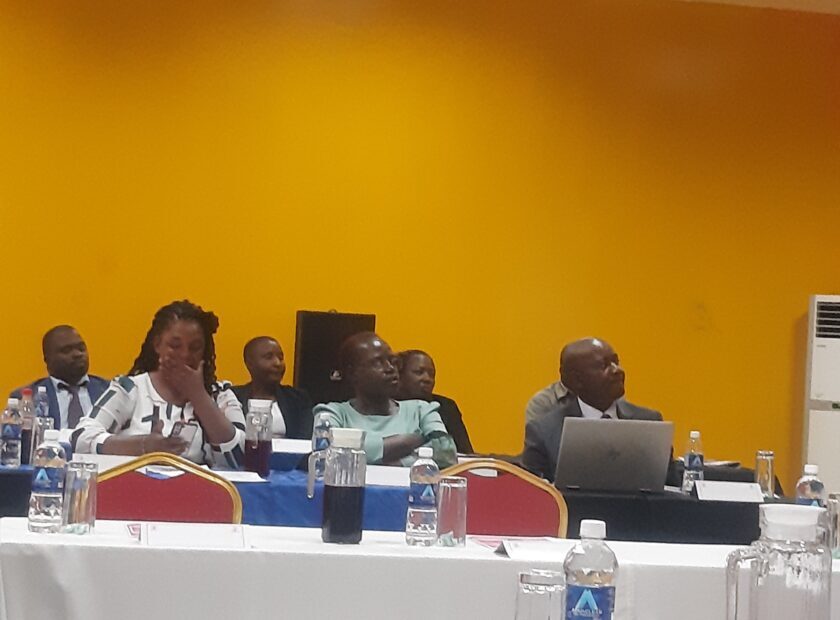
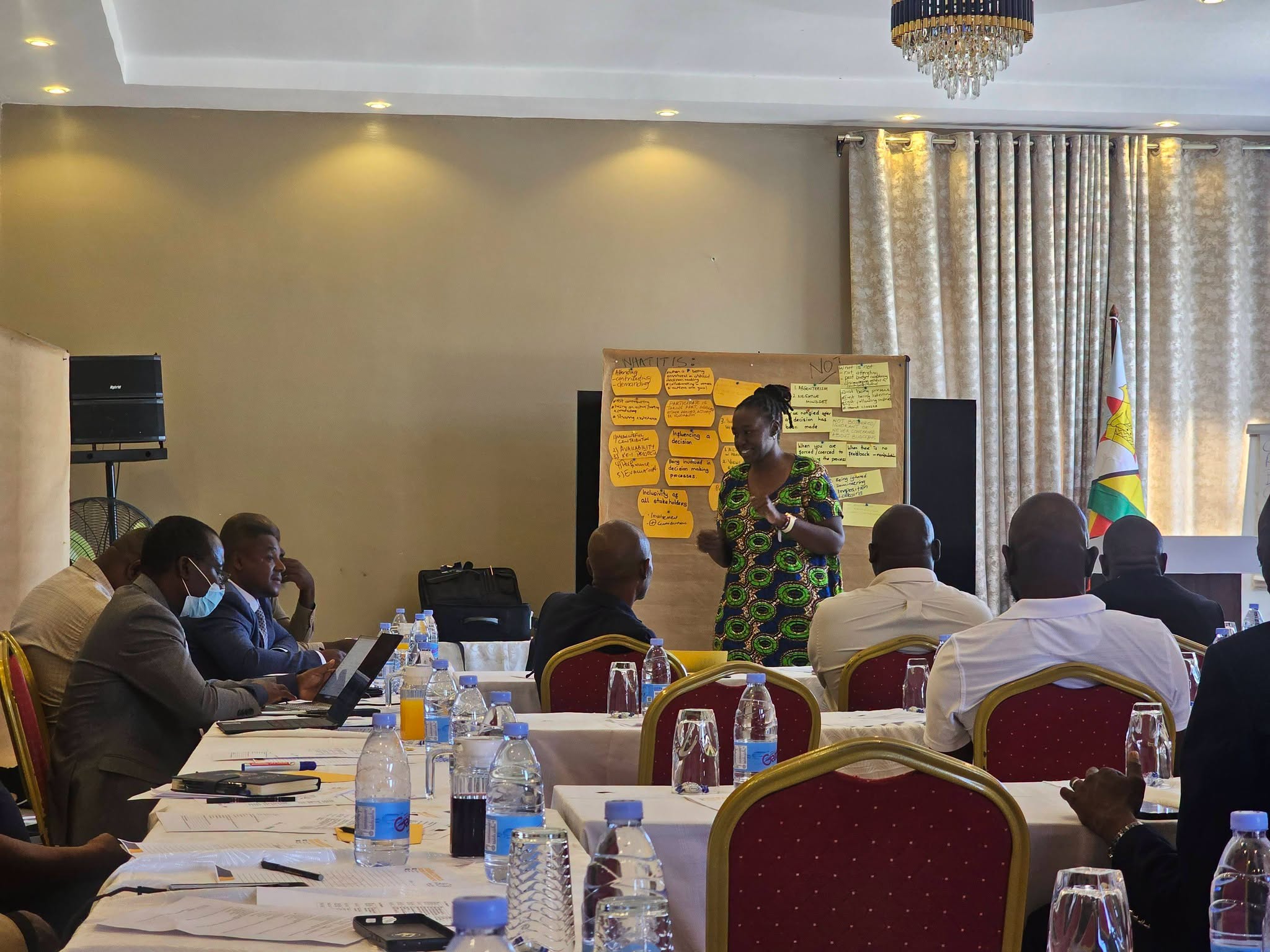
The two-day workshop will focus on equipping participants with practical knowledge and skills to actively contribute to budgeting processes. Key areas of training will include understanding the budget cycle and governance framework, roles of council and management, stakeholder engagement and feedback mechanisms, and monitoring and reviewing budget performance.
Participants will also take part in reviewing the City of Masvingo’s 2026 first-quarter budget performance, providing an opportunity to apply their learning in a real governance context.
The training will adopt a participatory approach, featuring case studies from other local authorities in the country and international best practices, as well as group exercises and role plays designed to strengthen consultation and decision-making skills. A local governance expert with experience in public financial management will facilitate the sessions.
A total of 45 participants are attending the workshop, including 23 SBC members, 13 councillors, and 9 members of council management. The committee itself represents a diverse cross-section of the community, including business organisations such as ZNCC and CZI, small and medium enterprises, financial institutions, youth leaders, women entrepreneurs, and the Association of Disabled Persons of Zimbabwe.
This initiative marks a significant step towards deepening democratic participation at the local level, ensuring that residents have a meaningful voice in how public resources are allocated and managed.