 ICT
August 3, 2026
ICT
August 3, 2026
City of Masvingo embarks on comprehensive Systems Audit with Government Departments
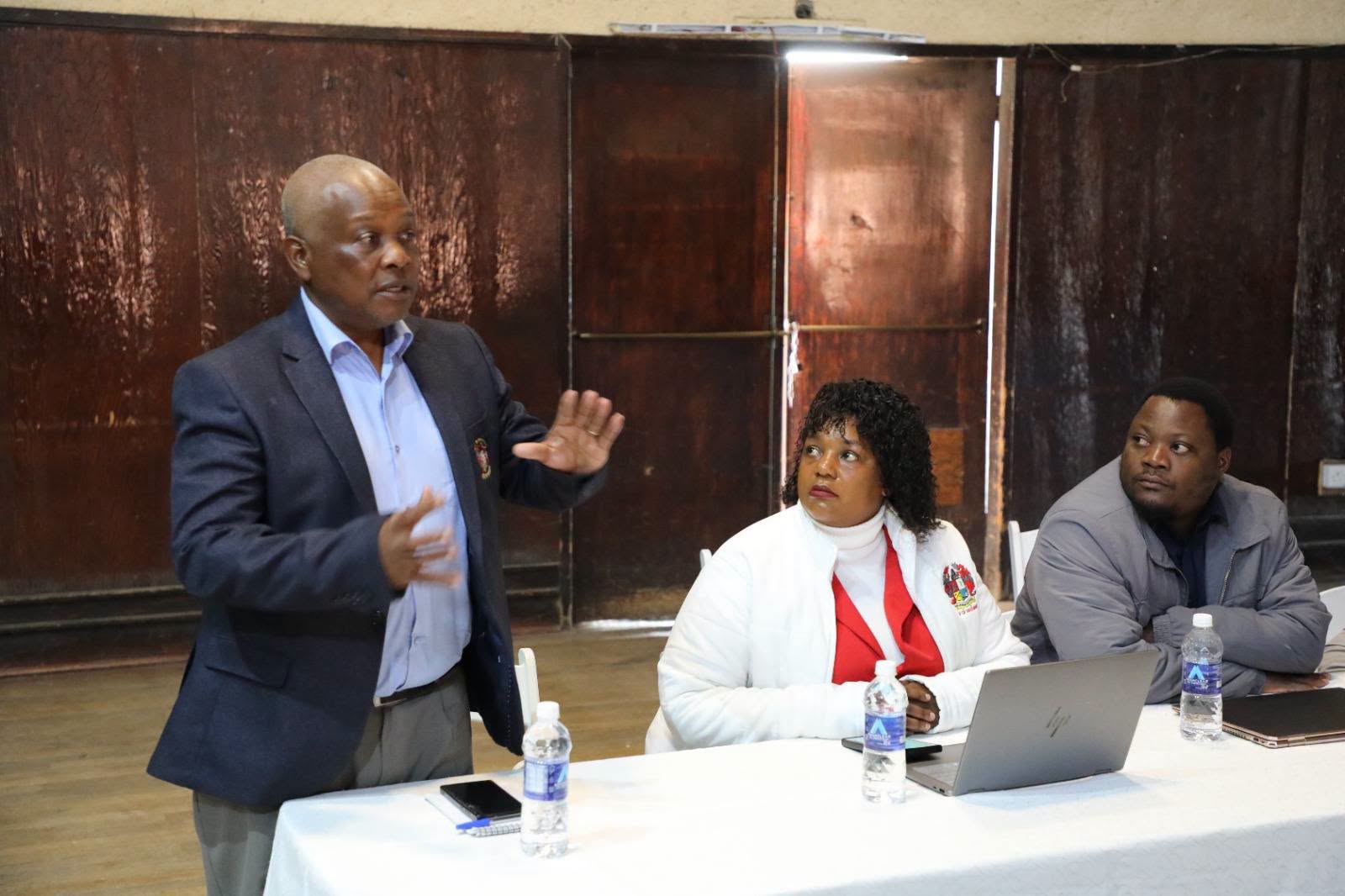
The City of Masvingo has commenced a comprehensive Systems Audit in collaboration with Government departments in the province as part of ongoing efforts to strengthen corporate governance, improve service delivery, and enhance accountability in line with the Government’s performance management framework and the Minimum Service Delivery Standards (MSDS).
The assessment, which evaluates the City’s governance, financial management systems, and service delivery performance, also reviewed progress made in implementing recommendations from the previous systems audit.
Among the notable achievements recorded since the last assessment is the reduction of Non-Revenue Water from 48% to 37% through the replacement of non-functional water meters and the implementation of District Metering Areas.
The City has also strengthened its customer feedback mechanisms by introducing WhatsApp communication groups for water, sewer, and waste management services, while a WhatsApp chatbot has been developed and is scheduled for launch by the end of August.
The Corporate Governance assessment highlighted significant progress, with the City scoring highly in several key areas. The assessment confirmed that the City’s Strategic Plan is fully aligned to the approved annual budget, departmental performance targets are clearly defined, and Municipal Service Delivery Standards have been integrated into planning and monitoring processes.
The audit further established that the City has 29 Standard Operating Procedures (SOPs) guiding operations across departments, while an active Internal Audit Unit continues to strengthen accountability through regular audits and implementation of corrective measures.
Council’s complaints handling system was also recognised as fully operational, with complaint registers available in all departments to ensure efficient recording and resolution of residents’ concerns.
As of 31 March 2026, the City had successfully implemented 58 out of 83 Council resolutions, representing a 70 percent implementation rate.
On organizational capacity, the audit noted that seven of the nine key executive positions are substantively filled, while acting arrangements remain in place for the Director of Engineering Services and the Director of Town Planning and Land Management. Recruitment for the Director of ICT is awaiting ministerial approval.
The Financial Management Systems assessment recorded outstanding performance across nearly all indicators. The City maintains updated valuation rolls, fully functional billing systems, regular monthly billing, timely revenue collection reporting, and robust debt recovery mechanisms.
Council also continues to produce financial statements within statutory deadlines, conducts monthly bank reconciliations, maintains secure ICT backup systems for financial information, and has implemented effective controls to prevent unauthorized expenditure.
The audit further acknowledged that all Council assets are adequately insured and that statutory obligations, including PAYE, NSSA and medical aid deductions, are consistently remitted.
In the area of service delivery, the City achieved several notable milestones. The assessment confirmed that 100 percent of the City’s 21,263 occupied properties have access to potable water, while every occupied property has a functional metered water connection. Water quality remains consistently high, with laboratory results indicating that 360 out of 363 monthly samples met World Health Organization standards.
Although the City currently supplies an average of 236 litres of water per person per day, the audit noted that demand continues to exceed available production capacity. Council is addressing this challenge through the installation of pressure regulation valves to improve distribution and increase hours of supply.
The sanitation system also performed strongly, with 99 percent of properties connected to the sewer network and an overall wastewater collection efficiency of 97 percent. Customer responsiveness remained exceptional, with 99.3 percent of reported sanitation complaints resolved during the assessment period.
Solid waste management also recorded encouraging results. Every occupied property receives door-to-door refuse collection services, with residential areas serviced weekly and the Central Business District receiving daily collections. Waste collection efficiency reached 96 percent, although the audit identified opportunities to strengthen waste segregation, recycling initiatives, and the development of a compliant sanitary landfill.
Road infrastructure continues to improve, with 100 percent of occupied properties having access to surfaced roads, while 77 percent of the City’s road network is in fair to very good condition. The City has also continued road marking and signage installation programs, although public lighting coverage remains an area requiring further investment.
Environmental management recorded positive outcomes, including the successful implementation of all 15 planned environmental awareness campaigns, compliance with Environmental Impact Assessment requirements for major projects such as the Sanganai/Hlanganani Expo infrastructure and the Truck Stop development, and effective management of veld fires within acceptable limits.
The Public Health assessment further demonstrated the City’s commitment to quality healthcare, with all Council clinics providing primary healthcare services and operating on the District Health Information System (DHIS2). Essential medicines remain available for most primary healthcare needs, while efforts continue to improve the availability of specialized medicines.
The systems audit is expected to provide Government with an objective assessment of the City’s operational effectiveness while guiding continuous improvements in governance, financial management and service delivery.